
We have the tools and resources to help you start or
scale your business. Join our thriving community and
stay connected with us.
We have the tools and resources to
help you start or scale your business.
Join our thriving community and stay
connectedwith us.


Being an entrepreneur is hard, and having the proper resources can be frustrating. You do not have to go at it alone. We have courses and a community to help educate you (Real Life XP), a full CRM system to help you automate your processes (The Real Life Business Builder), and coaching to help you implement what you've learned.

Being an entrepreneur is hard, and having
the proper resources can be frustrating.
You do not have to go at it alone. We have courses and a community to help educate
you (Real Life XP), a full CRM system to help
you automate your processes (The Real
Life Business Builder), and coaching to help
you implement what you've learned.

We understand that minority entrepreneurs have different needs and we cater to those.
Real Life XP
Our flagship entrepreneur accelration course
covers the entreprenur mindset, developing
systems and processes for your business,
building credit and acquiring funding for your
business and much more.


Coaching and Consulting
The right guidance can help entrepreneurs
overcome obstacles or avoid them all together.
We offer one-on-one and group coaching
to guide entrepreneurs through the maze of
business building.
The Real Life Business Builder Community
Our free community for entrepreneurs offers
courses, eBooks, group coaching,
and other resources for the growth and
development of entrepreneurs.


The Real Life Business Builder
The Real Life Business Builder is a full CRM, marketing, and automation system that we help set up for our clients to ensure implementation. Our lowest plan is just $80 a month and includes a free website and basic automation set up.
Tax Preparation, Training,
and Software
Small businesses need tax preparers who
understand small businesses. We now offer tax preparation services, tax preparation training,
and tax software to ensure entrepreneurs are able to plan for taxes and receive maximum returns.


Business Credit and
Business Funding
Without capital, your business will not be able to grow. We help clients start from nothing and build business credit in less than 90 days. We also ensure that you fit the criteria to apply for different business funding options.
The Ultimate Business
Builder Blueprint
Let us help you create an irresistible offer,
a professional funnel to generate leads,
marketing and ads to increase your reach,
CRM software to manage leads, and coaching
to put it all together.

We understand that minority
entrepreneurs have different needs
and we cater to those.
Real Life XP
Our flagship entrepreneur accelration course covers the entreprenur mindset, developing systems and processes
for your business, building credit and acquiring funding for your business and much more.
Coaching and Consulting
The right guidance can help entrepreneurs
overcome obstacles or avoid them all together. We offer one-on-one and group coaching to guide entrepreneurs through the maze of business building.
The Real Life Business
Builder Community
Our free community for entrepreneurs offers courses, eBooks, group coaching,
and other resources for the growth and
development of entrepreneurs.
The Real Life Business Builder
The Real Life Business Builder is a full CRM, marketing, and automation system that we help set up for our clients to ensure implementation. Our lowest plan is just $80 a month and includes a free website and basic automation set up.
Tax Preparation, Training,
and Software
Small businesses need tax preparers who
understand small businesses. We now offer tax preparation services, tax preparation training,
and tax software to ensure entrepreneurs are able to plan for taxes and receive maximum returns.
Business Credit and
Business Funding
Without capital, your business will not be able to grow. We help clients start from nothing and build business credit in less than 90 days. We also ensure that you fit the criteria to apply for different business funding options.
The Ultimate Business
Builder Blueprint
Let us help you create an irresistible offer,
a professional funnel to generate leads,
marketing and ads to increase your reach,
CRM software to manage leads, and coaching
to put it all together.


Why Most Entrepreneurs Stay Self-Employed Forever
The Hidden Difference Between Owning a Business and Owning a Job
Every year, millions of people start businesses with dreams of freedom, flexibility, wealth, and control over their future. They leave corporate jobs, launch side hustles, create service businesses, and pursue entrepreneurship because they want more out of life.
Yet despite these ambitions, many entrepreneurs eventually discover something surprising.
They didn’t escape a job.
They created another one.
The reality is that a large percentage of business owners never truly become business owners in the traditional sense. Instead, they become self-employed professionals whose income depends entirely on their personal labor.
If they stop working, the business stops generating revenue.
If they take a vacation, production slows down.
If they become sick, sales decline.
If they disappear for thirty days, the business struggles to survive.
While there is nothing wrong with self-employment, many entrepreneurs mistakenly believe they have built a business when they have actually built a highly demanding job.
Understanding why so many entrepreneurs remain self-employed forever is the first step toward building something larger.
The Self-Employment Trap
Self-employment often begins as a necessary stage of entrepreneurship.
When resources are limited, founders typically handle everything themselves.
They answer phones.
They market the business.
They deliver services.
They manage finances.
They solve customer problems.
They wear every hat imaginable.
In the beginning, this approach makes sense.
However, many entrepreneurs never transition beyond this stage.
Years later, they are still doing the same tasks.
The business may generate revenue, but it remains completely dependent on them.
What started as a temporary phase becomes a permanent operating model.
The entrepreneur becomes trapped inside their own company.
The Real Difference Between a Business Owner and a Self-Employed Professional
Many people use the terms interchangeably, but they are fundamentally different.
A self-employed professional owns a job.
A business owner owns a system.
A self-employed consultant generates revenue by personally delivering expertise.
A business owner creates processes, teams, and systems that allow value to be delivered consistently.
The difference becomes obvious when the owner steps away.
A self-employed business often struggles without the founder.
A true business continues operating because the systems remain intact.
This distinction is one of the most important concepts entrepreneurs must understand.
Most Entrepreneurs Build Around Themselves
One of the biggest reasons entrepreneurs remain self-employed is because they build the business around their personal strengths rather than around scalable systems.
Consider a talented graphic designer.
They acquire clients because of their creativity.
Customers request them specifically.
Every project requires their direct involvement.
The business grows because of the owner’s skill.
The problem is that growth eventually reaches a ceiling.
There are only so many hours available in a day.
The same challenge affects:
Coaches
Consultants
Accountants
Attorneys
Tax preparers
Marketing professionals
Contractors
Service providers
When revenue depends entirely on personal effort, scalability becomes limited.
The entrepreneur becomes the bottleneck.
The Fear of Delegation
Many entrepreneurs struggle to delegate.
Some believe no one can perform tasks as well as they can.
Others worry about maintaining quality.
Some simply do not trust others with important responsibilities.
While these concerns are understandable, refusing to delegate creates significant problems.
As the business grows, demands increase.
More customers require more service.
More transactions require more administration.
More opportunities create more complexity.
Without delegation, every new client creates additional pressure on the owner.
Eventually, growth becomes overwhelming.
The entrepreneur becomes exhausted trying to do everything.
The business grows larger but feels heavier.
The Addiction to Control
Control is another hidden obstacle.
Entrepreneurs often enjoy being involved in every aspect of their business.
They want to approve every decision.
They want visibility into every transaction.
They want input on every customer interaction.
Initially, this involvement can be beneficial.
However, excessive control creates organizational dependence.
Employees become hesitant to act independently.
Simple decisions require approval.
Progress slows.
The company becomes dependent on one person’s availability.
Ironically, the entrepreneur’s desire for control often limits the very growth they desire.
They Never Build Systems
Many business owners focus heavily on generating revenue but neglect building infrastructure.
Revenue matters.
However, systems create scalability.
Without systems, every task must be reinvented repeatedly.
Questions arise such as:
How are leads handled?
What happens when a new client signs up?
How are invoices processed?
How are customer complaints resolved?
How are employees trained?
Without documented answers, operations become inconsistent.
The owner remains responsible for providing guidance every time an issue arises.
Systems reduce dependency on memory.
Systems create consistency.
Systems make delegation possible.
Most importantly, systems create leverage.
They Focus on Income Instead of Assets
Many entrepreneurs think primarily about monthly income.
While income is important, businesses become valuable when they create assets.
Assets include:
Customer databases
Intellectual property
Software platforms
Recurring revenue streams
Standard operating procedures
Trained teams
Strong brands
These assets generate value beyond the owner’s daily effort.
A self-employed entrepreneur earns money by working.
An operator builds assets that generate value regardless of their presence.
This distinction determines whether a company remains small or becomes scalable.
The Revenue Ceiling Problem
Every entrepreneur eventually encounters a revenue ceiling.
The ceiling is determined by personal capacity.
There are only so many:
Meetings
Sales calls
Service appointments
Consultations
Projects
One person can handle.
When entrepreneurs rely exclusively on personal production, growth eventually stalls.
To increase income, they must either:
Raise prices
Work longer hours
Increase efficiency
Eventually, even these options become limited.
The solution is not working harder.
The solution is building leverage.
Leverage comes from systems, technology, teams, automation, partnerships, and recurring revenue models.
Why Systems Create Freedom
Many entrepreneurs resist systems because they believe systems create bureaucracy.
In reality, systems create freedom.
Imagine if every client onboarding process was documented.
Imagine if every lead automatically entered a CRM.
Imagine if follow-up messages were automated.
Imagine if team members knew exactly how to complete recurring tasks.
The owner would spend less time managing routine activities and more time focusing on growth.
Systems eliminate unnecessary decision-making.
They reduce confusion.
They improve consistency.
Most importantly, they free the entrepreneur from operational dependence.
Building a Business Instead of a Job
Transitioning from self-employed to business owner requires intentional change.
Start by evaluating your business honestly.
Ask yourself:
What happens if I disappear for 30 days?
Could the business continue operating?
What processes exist only in my head?
Document them.
What tasks do I repeat weekly?
Systematize them.
What can be automated?
Use technology.
What can be delegated?
Train others.
Where am I the bottleneck?
Address it immediately.
The goal is not to remove yourself completely.
The goal is to reduce unnecessary dependence on yourself.
The Long-Term Vision
Entrepreneurs often start businesses seeking freedom.
Ironically, many create environments that require more work than traditional employment.
The businesses that scale are built differently.
They rely on systems rather than memory.
Processes rather than improvisation.
Teams rather than individual effort.
Infrastructure rather than hustle.
The entrepreneur evolves from worker to operator.
From technician to leader.
From producer to strategist.
That transformation is what separates self-employment from true business ownership.
Conclusion
Most entrepreneurs stay self-employed forever because they never make the transition from doing the work to building the system that delivers the work.
They remain trapped by their own effort.
They become indispensable to every operation.
They create income, but not leverage.
The entrepreneurs who build scalable businesses understand a simple truth:
The goal is not to become more productive.
The goal is to become less necessary.
When your business can consistently generate results without requiring your constant involvement, you have moved beyond self-employment and begun building something that can truly grow.

Why Most Entrepreneurs Stay Self-Employed Forever
The Hidden Difference Between Owning a Business and Owning a Job
Every year, millions of people start businesses with dreams of freedom, flexibility, wealth, and control over their future. They leave corporate jobs, launch side hustles, create service businesses, and pursue entrepreneurship because they want more out of life.
Yet despite these ambitions, many entrepreneurs eventually discover something surprising.
They didn’t escape a job.
They created another one.
The reality is that a large percentage of business owners never truly become business owners in the traditional sense. Instead, they become self-employed professionals whose income depends entirely on their personal labor.
If they stop working, the business stops generating revenue.
If they take a vacation, production slows down.
If they become sick, sales decline.
If they disappear for thirty days, the business struggles to survive.
While there is nothing wrong with self-employment, many entrepreneurs mistakenly believe they have built a business when they have actually built a highly demanding job.
Understanding why so many entrepreneurs remain self-employed forever is the first step toward building something larger.
The Self-Employment Trap
Self-employment often begins as a necessary stage of entrepreneurship.
When resources are limited, founders typically handle everything themselves.
They answer phones.
They market the business.
They deliver services.
They manage finances.
They solve customer problems.
They wear every hat imaginable.
In the beginning, this approach makes sense.
However, many entrepreneurs never transition beyond this stage.
Years later, they are still doing the same tasks.
The business may generate revenue, but it remains completely dependent on them.
What started as a temporary phase becomes a permanent operating model.
The entrepreneur becomes trapped inside their own company.
The Real Difference Between a Business Owner and a Self-Employed Professional
Many people use the terms interchangeably, but they are fundamentally different.
A self-employed professional owns a job.
A business owner owns a system.
A self-employed consultant generates revenue by personally delivering expertise.
A business owner creates processes, teams, and systems that allow value to be delivered consistently.
The difference becomes obvious when the owner steps away.
A self-employed business often struggles without the founder.
A true business continues operating because the systems remain intact.
This distinction is one of the most important concepts entrepreneurs must understand.
Most Entrepreneurs Build Around Themselves
One of the biggest reasons entrepreneurs remain self-employed is because they build the business around their personal strengths rather than around scalable systems.
Consider a talented graphic designer.
They acquire clients because of their creativity.
Customers request them specifically.
Every project requires their direct involvement.
The business grows because of the owner’s skill.
The problem is that growth eventually reaches a ceiling.
There are only so many hours available in a day.
The same challenge affects:
Coaches
Consultants
Accountants
Attorneys
Tax preparers
Marketing professionals
Contractors
Service providers
When revenue depends entirely on personal effort, scalability becomes limited.
The entrepreneur becomes the bottleneck.
The Fear of Delegation
Many entrepreneurs struggle to delegate.
Some believe no one can perform tasks as well as they can.
Others worry about maintaining quality.
Some simply do not trust others with important responsibilities.
While these concerns are understandable, refusing to delegate creates significant problems.
As the business grows, demands increase.
More customers require more service.
More transactions require more administration.
More opportunities create more complexity.
Without delegation, every new client creates additional pressure on the owner.
Eventually, growth becomes overwhelming.
The entrepreneur becomes exhausted trying to do everything.
The business grows larger but feels heavier.
The Addiction to Control
Control is another hidden obstacle.
Entrepreneurs often enjoy being involved in every aspect of their business.
They want to approve every decision.
They want visibility into every transaction.
They want input on every customer interaction.
Initially, this involvement can be beneficial.
However, excessive control creates organizational dependence.
Employees become hesitant to act independently.
Simple decisions require approval.
Progress slows.
The company becomes dependent on one person’s availability.
Ironically, the entrepreneur’s desire for control often limits the very growth they desire.
They Never Build Systems
Many business owners focus heavily on generating revenue but neglect building infrastructure.
Revenue matters.
However, systems create scalability.
Without systems, every task must be reinvented repeatedly.
Questions arise such as:
How are leads handled?
What happens when a new client signs up?
How are invoices processed?
How are customer complaints resolved?
How are employees trained?
Without documented answers, operations become inconsistent.
The owner remains responsible for providing guidance every time an issue arises.
Systems reduce dependency on memory.
Systems create consistency.
Systems make delegation possible.
Most importantly, systems create leverage.
They Focus on Income Instead of Assets
Many entrepreneurs think primarily about monthly income.
While income is important, businesses become valuable when they create assets.
Assets include:
Customer databases
Intellectual property
Software platforms
Recurring revenue streams
Standard operating procedures
Trained teams
Strong brands
These assets generate value beyond the owner’s daily effort.
A self-employed entrepreneur earns money by working.
An operator builds assets that generate value regardless of their presence.
This distinction determines whether a company remains small or becomes scalable.
The Revenue Ceiling Problem
Every entrepreneur eventually encounters a revenue ceiling.
The ceiling is determined by personal capacity.
There are only so many:
Meetings
Sales calls
Service appointments
Consultations
Projects
One person can handle.
When entrepreneurs rely exclusively on personal production, growth eventually stalls.
To increase income, they must either:
Raise prices
Work longer hours
Increase efficiency
Eventually, even these options become limited.
The solution is not working harder.
The solution is building leverage.
Leverage comes from systems, technology, teams, automation, partnerships, and recurring revenue models.
Why Systems Create Freedom
Many entrepreneurs resist systems because they believe systems create bureaucracy.
In reality, systems create freedom.
Imagine if every client onboarding process was documented.
Imagine if every lead automatically entered a CRM.
Imagine if follow-up messages were automated.
Imagine if team members knew exactly how to complete recurring tasks.
The owner would spend less time managing routine activities and more time focusing on growth.
Systems eliminate unnecessary decision-making.
They reduce confusion.
They improve consistency.
Most importantly, they free the entrepreneur from operational dependence.
Building a Business Instead of a Job
Transitioning from self-employed to business owner requires intentional change.
Start by evaluating your business honestly.
Ask yourself:
What happens if I disappear for 30 days?
Could the business continue operating?
What processes exist only in my head?
Document them.
What tasks do I repeat weekly?
Systematize them.
What can be automated?
Use technology.
What can be delegated?
Train others.
Where am I the bottleneck?
Address it immediately.
The goal is not to remove yourself completely.
The goal is to reduce unnecessary dependence on yourself.
The Long-Term Vision
Entrepreneurs often start businesses seeking freedom.
Ironically, many create environments that require more work than traditional employment.
The businesses that scale are built differently.
They rely on systems rather than memory.
Processes rather than improvisation.
Teams rather than individual effort.
Infrastructure rather than hustle.
The entrepreneur evolves from worker to operator.
From technician to leader.
From producer to strategist.
That transformation is what separates self-employment from true business ownership.
Conclusion
Most entrepreneurs stay self-employed forever because they never make the transition from doing the work to building the system that delivers the work.
They remain trapped by their own effort.
They become indispensable to every operation.
They create income, but not leverage.
The entrepreneurs who build scalable businesses understand a simple truth:
The goal is not to become more productive.
The goal is to become less necessary.
When your business can consistently generate results without requiring your constant involvement, you have moved beyond self-employment and begun building something that can truly grow.
Frequently Asked Questions
Answers To Commonly Asked Questions
What are the benefits of business coaching?
Business coaches help entrepreneurs develop within their personal and business lives, so their businesses can thrive.
This includes identifying strengths and weaknesses, setting personal and professional goals and targets, and holding
the entrepreneur accountable to ensure those goals are reached.
What is Real Life XP?
Real Life XP is our free entrepreneur acceleration course, available in the Real Life Business Builders community. The
three modules in the course focuses first on the entrepreneur mindset, then business systems and processes, and finally building business credit and obtaining business financing.
This course is desgned to help entrepreneurs of all levels.
What is The Real Life Business Builder?
The Real Life Business Builder is an all-in-one CRM and marketing system that we help implement for entrepreneurs to build their contact list and nurture relationships with leads and customers. The system includes a website/funnel builder, email and SMS marketing and the option to brand the software as your own and resale it for profit. With a price as low as $80 per month, you have more than enough room to spend money on ads, which we will also run for you, if need be.
What else do you offer?
Real Life Business Solutions offers a wide range of products
and services, including eBooks, workbooks, courses, and other educational material as well as business plans, marketing plans, and specialized business solutions.
Is group coaching or 1-on-1 coaching available?
Yes, we offer different coaching programs to accommodate clients who enjoy building in a community and those who
are more comfortable in a more personal setting.
Is there some type of guarantee?
Yes. Real Life Business Solutions provides more than enough tools and resources to help entrepreneurs grow into who they need to become to be successful, but doing the work is still up to the client. While we can't guarantee specific results, we can guarantee that we will provide all of the things we promise or you will receive all of your money back.
Do I have to own a business to join the Real Life Business Builder Community?
No. The Real Life Business Builder Community is designed to help entrepreneurs and aspiring entrepreneurs. As long as you are interested in business and business conversations, the community will be of value to you.
Why are there no prices on the website?
Due to the unique nature of every person and every business, consulting prices cannot be quoted until we have our initial strategy session. We offer some programs, with prices, to offer
a starting point, but any personalization will require direct communication before a proposal is drawn up.
Frequently Asked Questions
Answers To Commonly Asked Questions
What are the benefits of business coaching?
Business coaches help entrepreneurs develop within their personal and business lives, so their businesses can thrive.
This includes identifying strengths and weaknesses, setting personal and professional goals and targets, and holding
the entrepreneur accountable to ensure those goals are reached.
What is Real Life XP?
Real Life XP is our free entrepreneur acceleration course, available in the Real Life Business Builders community. The
three modules in the course focuses first on the entrepreneur mindset, then business systems and processes, and finally building business credit and obtaining business financing.
This course is desgned to help entrepreneurs of all levels.
What is The Real Life Business Builder?
The Real Life Business Builder is an all-in-one CRM and marketing system that we help implement for entrepreneurs to build their contact list and nurture relationships with leads and customers. The system includes a website/funnel builder, email and SMS marketing and the option to brand the software as your own and resale it for profit. With a price as low as $80 per month, you have more than enough room to spend money on ads, which we will also run for you, if need be.
What else do you offer?
Real Life Business Solutions offers a wide range of products and services, including eBooks, workbooks, courses, and other educational material as well as business plans, marketing plans, and specialized business solutions.
Is group coaching or 1-on-1 coaching available?
Yes, we offer different coaching programs to accomodate coaches who enjoy building in a community and those who
are more comfortable in a more personal setting.
Is there some type of guarantee?
Yes. Real Life Business Solutions provides more than enough tools and resources to help entrepreneurs grow into who they need to become to be successful, but doing the work is still up to the client. While we can't guarantee specific results, we can guarantee that we will provide all of the things we promise or you will receive all of your money back.
Do I have to own a business to join the Real Life Business Builder Community?
No. The Real Life Business Builder Community is designed to help entrepreneurs and aspiring entrepreneurs. As long as you are interested in business and business conversations, the community will be of value to you.
Why are there no prices on the website?
Due to the unique nature of every person and
every business, consulting prices cannot be quoted
until we have our initial strategy session. We offer
some programs, with prices, to offer a starting
point, but any personalization will require direct communication before a proposal is drawn up.
Contact Us
(313) 883-9664
Real Life Business Solutions
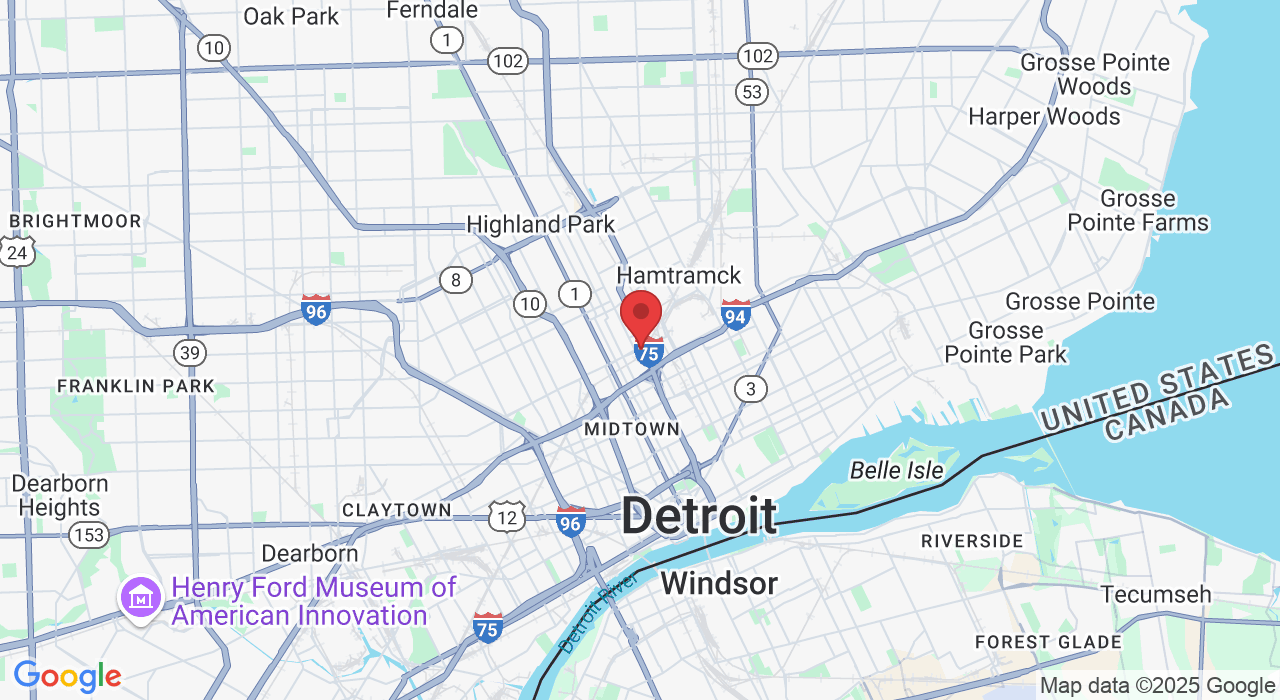
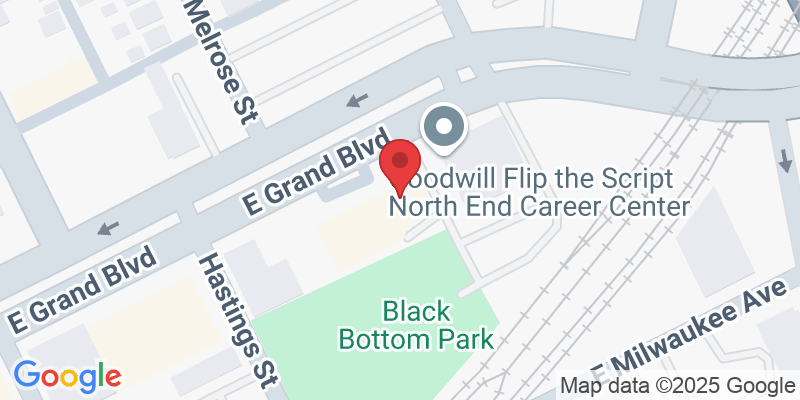
2785 E Grand Blvd, Suite 381
Detroit, MI 48211
© 2024 Real Life Business Solutions, LLC - All Rights Reserved · Privacy policy

Contact Us
(313) 883-9664
Real Life Business Solutions 2785 E
Grand Blvd, Suite 381Detroit, MI 48211
© 2024 Real Life Business Solutions, LLC -
All Rights Reserved · Privacy policy